Unpacking the Unexpected Appeal of Plywood Flooring
Imagine walking into a home where the floors whisper stories of raw materials, where a certain earthy simplicity meets unexpected elegance. For many, this image might conjure up images of rustic hardwoods or polished concrete. But what if I told you that the humble sheet of plywood, often relegated to subflooring duty, could actually be the star of your flooring project? It’s a notion that might initially raise an eyebrow, conjuring images of unfinished construction sites. However, as we peel back the layers, it becomes clear that plywood flooring is far more than just a basic building material; it’s a canvas awaiting transformation, a surprisingly versatile option for those willing to think outside the traditional box.
Plywood Flooring: A Deeper Dive into Its Potential
For years, plywood has been the unsung hero beneath our feet, serving as a stable base for more conventionally admired floor coverings. But why limit its potential? The idea of using plywood as a finished floor isn’t entirely new, but its resurgence is fueled by a desire for unique aesthetics, cost-effectiveness, and a certain DIY-friendly appeal. It’s a choice that demands a certain curiosity, a willingness to question assumptions about what constitutes a “proper” floor.
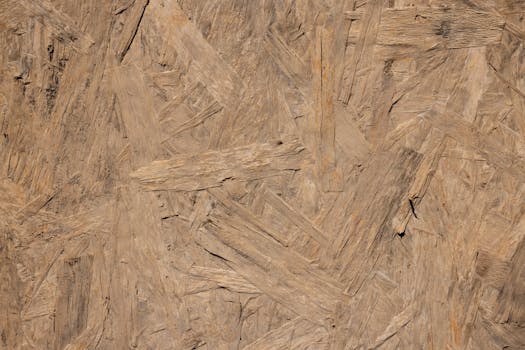
Think about it: plywood is essentially layers of wood veneer, cross-laminated for strength and stability. This inherent structure, when exposed and treated, can offer a distinct character that mass-produced materials often lack. It’s about embracing the grain, the subtle variations, and the inherent texture that makes each piece, and therefore each floor, uniquely yours.
Beyond the Subfloor: What Exactly Is Plywood Flooring?
When we talk about plywood flooring, we’re generally referring to using sheets of plywood as the primary surface layer of a room’s floor. This isn’t about the cheap particleboard you might find in some flat-pack furniture; we’re talking about higher-grade plywood, typically CDX or ACX, or even specialized flooring-grade plywood. The key lies in its preparation and finishing.
Unlike pre-finished planks that arrive ready to install, plywood flooring requires a more hands-on approach. It’s a project that invites creativity, whether you’re aiming for a modern, minimalist look or a more industrial, lived-in vibe. The process often involves sanding, filling imperfections, and applying a protective finish – essentially treating the plywood itself as the final decorative element.
Is This the Right Choice For Your Home? Weighing the Pros and Cons
It’s easy to get swept up in the novelty, but like any flooring decision, understanding the practicalities is crucial. So, what are the real advantages and disadvantages you should be considering before you commit to this unconventional path?
#### The Allure of the Affordable and Adaptable
One of the most significant draws of plywood flooring is its potential for cost savings. Compared to many hardwoods, engineered wood, or luxury vinyl plank options, high-quality plywood itself is considerably less expensive.
Cost-Effectiveness: This is often the primary motivator. You can achieve a unique look without breaking the bank.
DIY Friendly: While it requires effort, the basic principles of cutting, fitting, and finishing are accessible to many homeowners.
Customization Potential: The ability to stain, paint, stencil, or create patterns is virtually limitless. You’re not just installing a floor; you’re creating a work of art.
Durability (with proper care): When finished correctly, plywood floors can withstand significant wear and tear. The cross-grained layers offer inherent strength.
Unique Aesthetic: It offers a distinct, modern, and often industrial-chic look that stands out from the crowd.
#### Navigating the Potential Pitfalls
However, it’s not all smooth sailing. There are aspects to consider that might make you pause.
Requires Significant Finishing Work: This isn’t a peel-and-stick solution. Proper sanding, filling, and sealing are essential for both appearance and longevity.
Susceptible to Moisture: Like any wood product, unfinished or poorly sealed plywood can be damaged by excessive moisture. Spills need prompt attention.
Noise Factor: Depending on the installation and subfloor, plywood floors can sometimes be noisier than other options. Underlayment is key.
Grain and Imperfections: While part of the charm, some may find the natural variations and potential knots in plywood less appealing than a perfectly uniform surface.
Resale Value: While popular in certain design circles, a DIY plywood floor might not appeal to every potential buyer, potentially impacting resale value compared to more traditional options.
Crafting Your Plywood Floor: A Glimpse into the Process
So, how does one actually turn a sheet of plywood into a beautiful finished floor? It’s a journey that requires patience and attention to detail.
#### Selecting the Right Plywood
Not all plywood is created equal. For flooring, you’ll want to look for:
Grade: AC or BC grades are often preferred, offering a cleaner face with fewer knots and imperfections that show through the finish. CDX is more common and affordable, but expect more visible imperfections.
Thickness: 3/4-inch is generally recommended for stability and durability.
* Wood Type: Fir, pine, or birch are common options, each offering a slightly different grain pattern and color.
#### The Art of Preparation and Finishing
This is where the magic happens.
- Installation: Sheets are typically cut to fit the room and installed over a solid subfloor, often with adhesive and screws.
- Sanding: This is a crucial step. Start with a coarse grit sandpaper (e.g., 60-grit) to level the surface and remove any mill glaze, then progressively move to finer grits (e.g., 100, 150, 220) for a smooth finish.
- Filling: Any gaps or larger knots can be filled with wood filler or a custom-mixed epoxy resin for a more seamless look.
- Staining/Painting: Now’s your chance to get creative. You can opt for a clear coat to highlight the natural wood, or apply stains, paints, or even stencils to create unique designs.
- Sealing: The final, and perhaps most important, step. Multiple coats of a durable polyurethane or epoxy sealant are essential to protect the wood from spills, scuffs, and general wear. A water-based polyurethane is often a good choice for its low VOCs and quick drying time.
The Future of Flooring? Rethinking the Underdog
Ultimately, plywood flooring is a statement. It’s a choice for the individual who values originality, affordability, and the satisfaction of a project brought to life with their own hands. It’s a testament to the fact that beauty and utility can be found in unexpected places, challenging the established norms of home décor.
If you’re looking for a floor that tells a story, that offers a unique personality, and that can be achieved without a colossal budget, then exploring the possibilities of plywood flooring might just be the most inspired decision you make for your home. It’s not just about saving money; it’s about embracing a raw, adaptable material and transforming it into something truly your own, a decision that often leads to a surprisingly sophisticated outcome.